
If you’re running a growing Shopify store, fulfillment eventually becomes your bottleneck. Orders increase. Customer expectations rise. Returns pile up. Shipping costs eat margins.
At some point, packing boxes yourself (or with a small team) stops being scalable. That’s where a third-party logistics (3PL) comes in.
What Is a 3PL for Shopify?
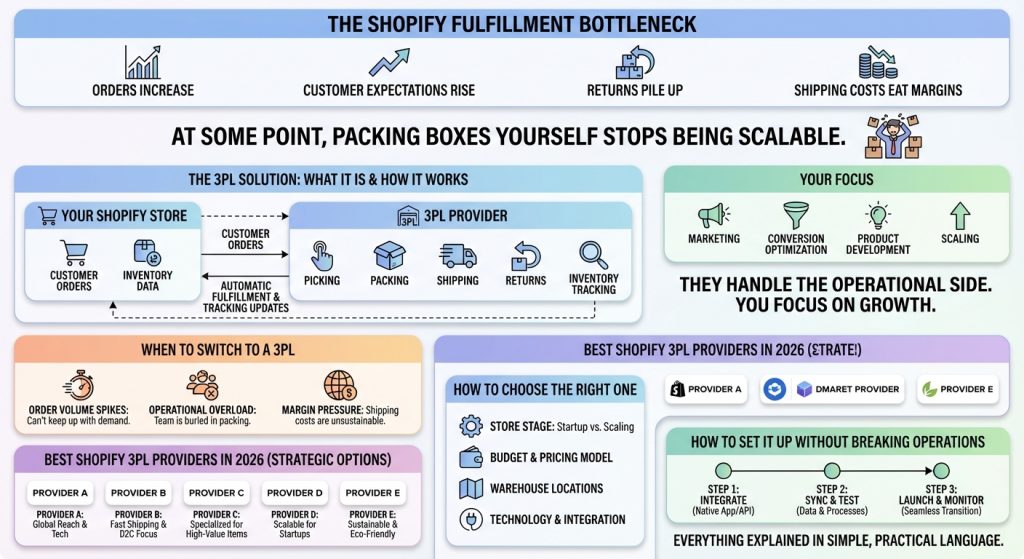
3PL stands for third-party logistics.
A Shopify 3PL provider stores your inventory in their warehouse and handles:
- Picking
- Packing
- Shipping
- Returns
- Inventory tracking
Instead of shipping orders yourself, your Shopify store connects directly to a 3PL through a native app or API. When someone places an order, the 3PL automatically fulfills it.
You focus on:
- Marketing
- Conversion optimization
- Product development
- Scaling
They handle the operational side.
Why Shopify Stores Switch to 3PL in 2026
In-house fulfillment works when you’re small.
It breaks when:
- You cross 100–300 orders per month
- You want 2-day delivery
- You expand internationally
- You launch on Amazon or TikTok Shop
- You can’t afford fulfillment mistakes
Modern 3PL providers offer:
- 99%+ order accuracy
- Distributed warehouses for faster shipping
- Bulk carrier discounts
- AI-powered inventory routing
- Marketplace and TikTok compliance
Most growing brands report:
- 20–35% lower shipping costs
- Faster delivery times
- Fewer customer complaints
- Better retention
If your fulfillment is causing refunds, delays, or bad reviews — it’s time.
Top 5 Best Shopify 3PL Providers in 2026
Below are proven 3PL leaders with strong Shopify integrations, good merchant reputation, and scalable infrastructure.
1. ShipBob
Best for: High-volume DTC brands
Warehouses: US, Canada, EU, Australia
Pricing: Around $5 per order + storage
Shopify Integration: Native app
Why merchants choose ShipBob:
- 2-day shipping across major regions
- Inventory splitting across multiple warehouses
- Strong analytics dashboard
- Easy returns handling
ShipBob works well if you:
- Sell primarily DTC
- Need predictable US coverage
- Want a clean, simple integration
Best for brands doing 300+ orders per month.
2. ShipHero
Best for: Multi-channel and AI-driven fulfillment
Warehouses: US-focused
Pricing: Custom, typically $250+ minimum
Why it stands out:
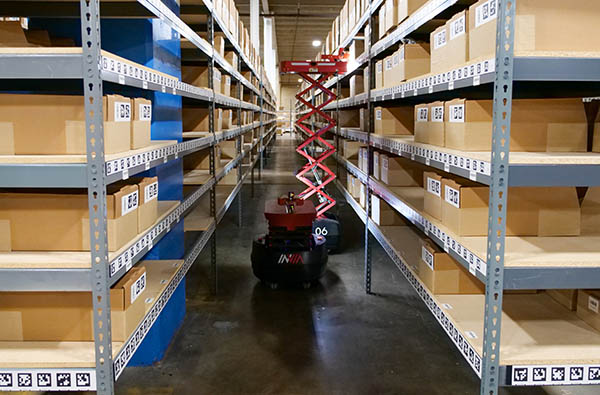
- Advanced AI picking optimization
- Built-in WMS (warehouse management system)
- Strong TikTok Shop integration
- Multi-channel syncing
Good fit if you:
- Sell on Shopify + Amazon + TikTok
- Need enterprise-level inventory control
- Are scaling aggressively
Often used by Shopify Plus merchants.
3. ShipMonk
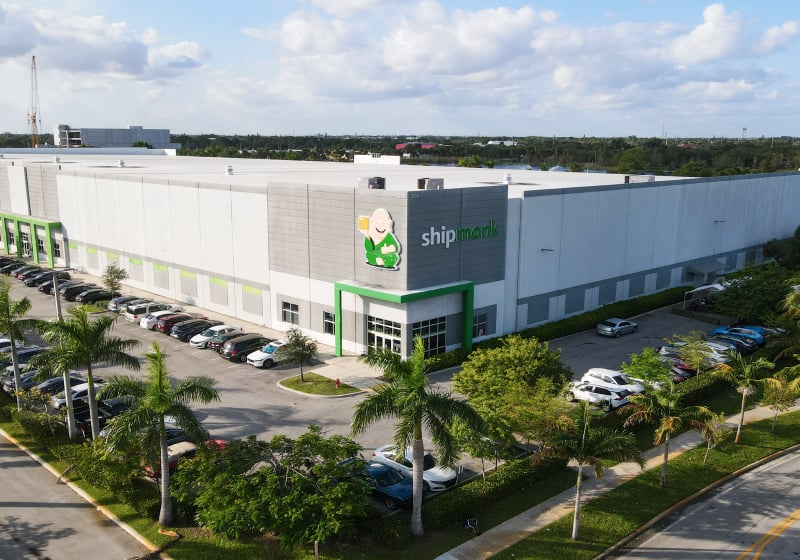


Best for: Subscription brands and marketplaces
Warehouses: US, EU, Mexico
Pricing: $3–$5 per pick + minimums
Strengths:
- Subscription box fulfillment
- Kitting and bundling
- Strong multichannel integrations
- Good international options
Ideal if you:
- Run subscription products
- Need custom packaging
- Sell globally
4. Red Stag Fulfillment


Best for: Heavy or bulky items
Warehouses: US
Pricing: Custom quotes
Unique benefits:
- 100% order accuracy guarantee
- Compensation for errors
- Strong handling of oversized products
- 2-day delivery to most US addresses
Perfect for:
- Furniture
- Fitness equipment
- Electronics
- High-value items
If your products are heavy, this is one of the safest options.
5. Shopify Fulfillment Network


Best for: Easy scaling inside Shopify
Warehouses: Global partner network
Pricing: Pay-per-use
Why consider it:
- Built directly into Shopify ecosystem
- Auto-matches you with logistics partners
- Seamless admin integration
- No strict minimums
Great for merchants who:
- Want minimal setup complexity
- Prefer native Shopify tools
- Are scaling gradually
How to Choose the Right Shopify 3PL
Do not pick based on brand name alone.
Use this checklist instead:
1. Order Volume
- Under 300 orders/month → Avoid high minimum contracts
- 300–1,000/month → Mid-tier 3PL
- 1,000+ → Enterprise-ready provider
2. Geography
Where are your customers?
- US only → US-based distributed warehouses
- Global → EU + North America coverage
3. Product Type
- Small/light → Standard 3PL
- Heavy/fragile → Specialized (like Red Stag)
- Subscription → ShipMonk-style support
4. Integration Quality
Look for:
- Native Shopify app
- Real-time inventory sync
- Automatic tracking updates
- Easy returns automation
5. Pricing Structure
Ask about:
- Storage fees
- Pick & pack fees
- Shipping discounts
- Peak surcharges
- Long-term contracts
Always request a sample quote.
When Should You Switch to a 3PL?
You likely need one if:
- You spend more than 10 hours per week on fulfillment
- Shipping mistakes are increasing
- You want 2-day delivery
- You’re expanding internationally
- You feel operationally overwhelmed
In-house fulfillment limits growth.
A 3PL unlocks scale.
Quick Setup Steps for Shopify 3PL
Here’s how most merchants transition smoothly:
Step 1: Audit Your Volume
If you exceed 100–200 monthly orders, start researching.
Step 2: Install the Shopify App
Most top providers offer direct Shopify apps. Integration takes 5–10 minutes.
Step 3: Send Initial Inventory
Start with 1–2 weeks of stock.
Step 4: Test Orders
Place sample orders.
Verify:
- Accuracy
- Delivery time
- Tracking sync
Step 5: Gradually Transition
Do not move 100% of inventory immediately.
Test performance first.
Final Recommendation (Simple and Honest)
There is no single “best” Shopify 3PL.
It depends on your stage.
- Fast-growing DTC brand → ShipBob
- Multi-channel scaling → ShipHero
- Subscription-heavy brand → ShipMonk
- Bulky products → Red Stag
- Shopify-native simplicity → Shopify Fulfillment Network
If you are serious about scaling in 2026, fulfillment is not optional.
It is infrastructure.
The right 3PL reduces cost, increases speed, and protects customer experience — which ultimately improves conversion and retention.
And that’s what drives long-term growth.