
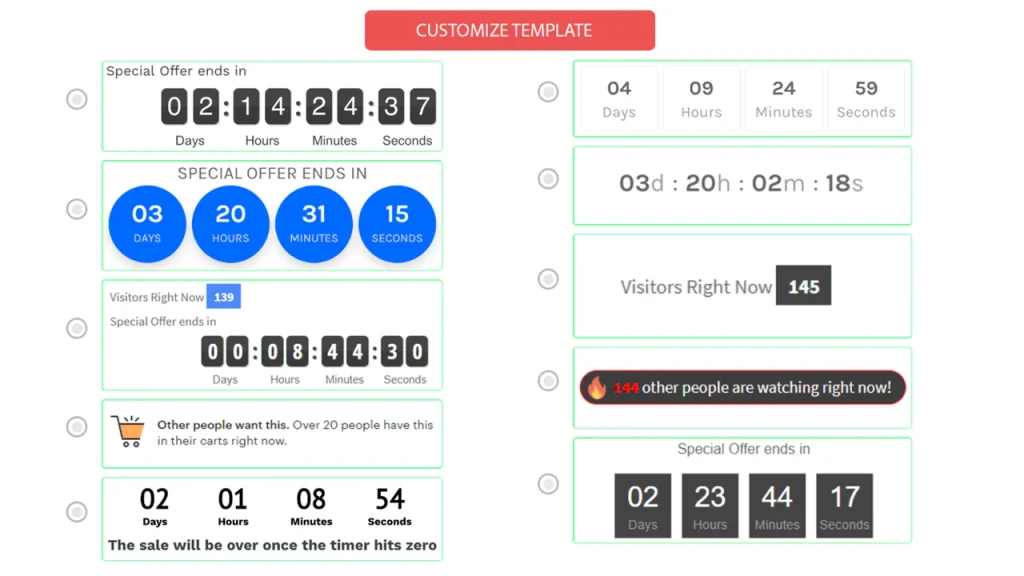
In 2026, customers test timers before they trust them. And when they discover fake countdown timers on Shopify stores, the damage isn’t just lost conversions it’s long-term brand erosion.
Many merchants now report:
- Lower repeat purchase rates
- Increased refund requests
- “Fake urgency” reviews
- Discount dependency
- Falling margins
The truth?
Urgency timers don’t work Shopify stores anymore, at least not the way most brands use them.
But ethical, properly implemented scarcity still works and can increase conversions 10-30% when done correctly.
This guide explains what changed and what actually converts now.
Why Urgency Timers Don’t Work Shopify Stores Anymore
Urgency timers don’t work on Shopify anymore because customers recognize fake countdown timers that reset on refresh, creating distrust and reducing long-term conversion rates.
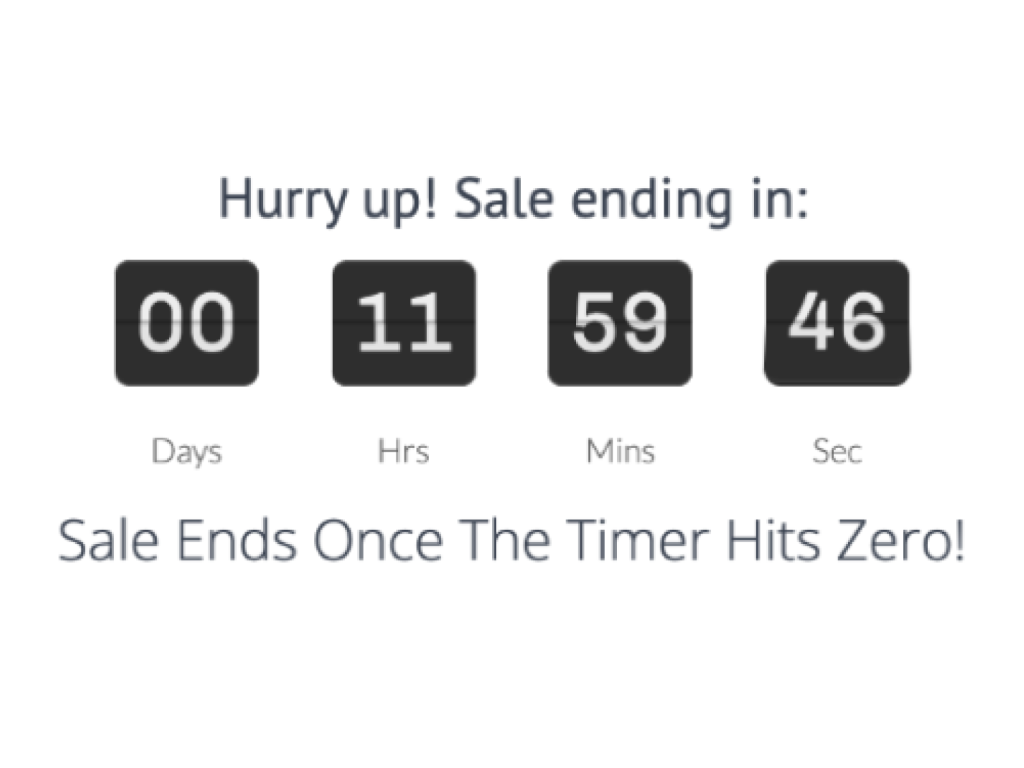
Overuse of timers causes scarcity fatigue, and poorly matched durations create stress instead of motivation.
In 2026, only real, server-side enforced deadlines maintain credibility and improve conversions.
The Core Problem: Fake Countdown Timers Shopify Stores Still Use
1. Client-Side JavaScript Resets (The Trust Killer)
Most “urgency timer” apps use client-side JavaScript.
That means:
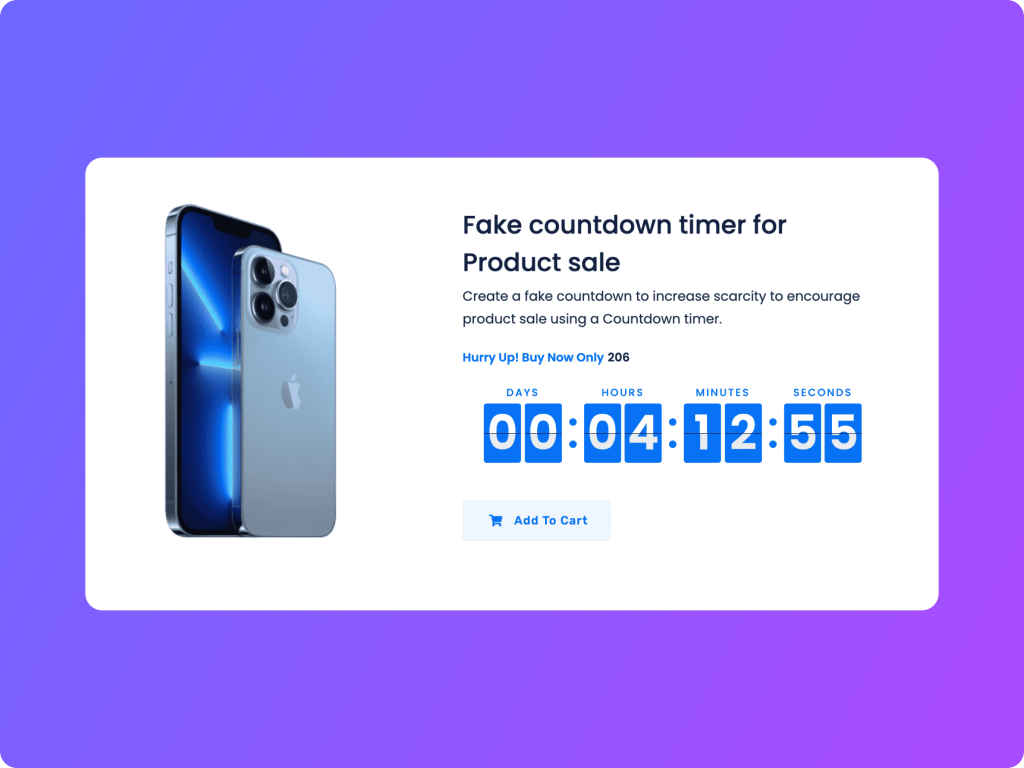
- Timer resets on refresh
- Timer resets in incognito
- Timer resets on different devices
Customers test this.
Once exposed, Shopify timer trust damage is immediate and irreversible.
You don’t just lose the sale. You lose the customer.
2. Scarcity Timer Fatigue
Five years ago, countdown timers boosted conversions across ecommerce.
Now? Consumers are conditioned to ignore them.
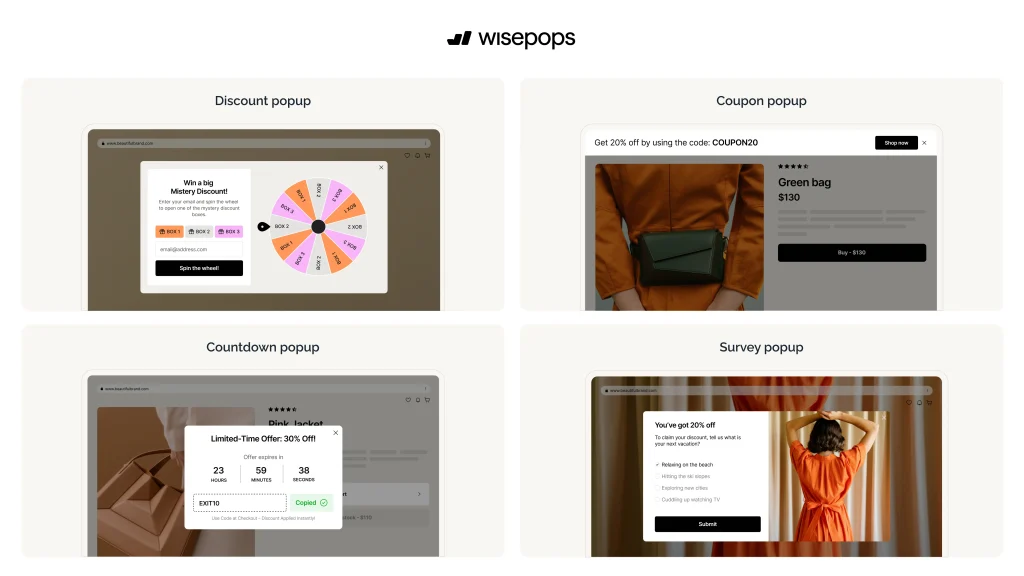
When every product page shows:
- “Only 10 minutes left!”
- “Sale ends tonight!”
- “Flash sale ending soon!”
Buyers tune out. This is called scarcity timer fatigue.
3. Wrong Timer Duration for Purchase Psychology
Not all products should have the same deadline.
Example mistakes:
- 15-minute timer on a $300 jacket
- 30-minute deadline on electronics
- 10-minute checkout rush on high-consideration products
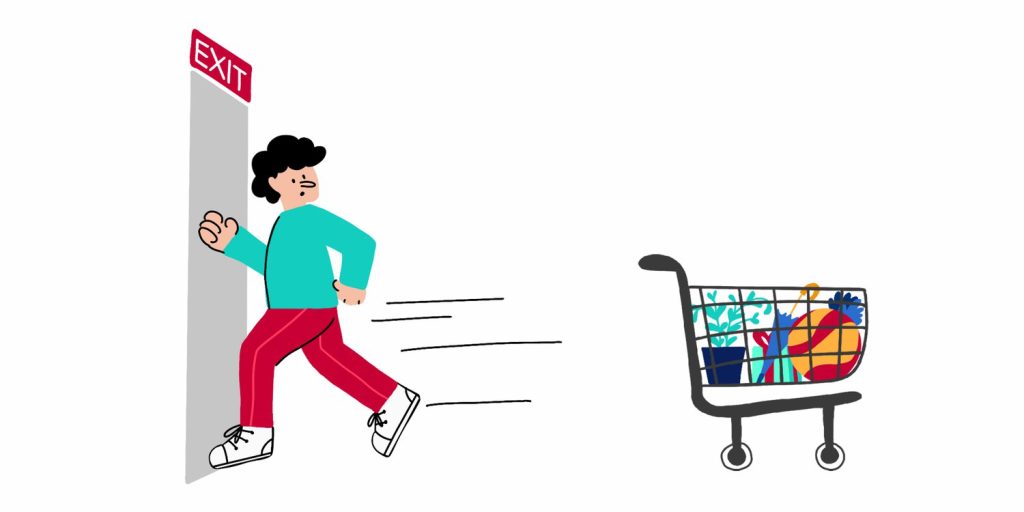
This doesn’t create urgency, it creates anxiety and anxiety reduces conversion rates.
Real Shopify Examples
Apparel Store Mistake
A fashion Shopify store ran site wide timers on every PDP.
After customer complaints and “fake urgency” reviews:
- Conversion rate dropped 20%
- Email unsubscribes increased
- Repeat purchase rate fell
Electronics Brand Fix
An electronics merchant switched to:
- Server-side enforced deadlines
- Unique per-visitor discount codes
- Backend code auto-deletion
Result:
- 25%+ conversion lift
- No trust complaints
- Higher repeat purchases
The Hidden Cost of Fake Urgency
Let’s break this down.
If you:
- Sell $50 average order value
- Have 1,000 monthly orders
- Give unnecessary 10% discounts
You leak $5,000 monthly. That’s $60,000 yearly in margin erosion.
And when timers train customers to wait for discounts? You destroy pricing power.
What Actually Works in 2026
| Issue | Shopify Steps | Expected Impact |
|---|---|---|
| Fake resets | Use server-side countdown apps (e.g., Growth Suite). Ensure codes auto-delete at expiry. | 8–14% CR lift through restored trust |
| Overuse fatigue | Limit to 1–2 timers per session. Show only on PDP or cart. | Reduces ignore rate |
| Wrong duration | Match timer to AOV: 15–30min <$50, 2–6hr $50–500, none >$500. A/B test. | 20% abandonment drop |
| Universal display | Use behavior targeting. Skip direct-to-cart buyers. Apply cooldown 7–30 days. | Saves 40% margin |
| No backend expiry | Auto-delete expired codes. Avoid reusable “WELCOME10.” Use unique visitor codes. | Repeat rate +15% |
What Real Scarcity Looks Like on Shopify
Real urgency means:
- Inventory-based countdown (“Only 3 left in stock” synced with backend)
- Limited-time bundles with actual expiration
- Holiday-specific campaign deadlines
- Event-based flash sales with server-side enforcement
If refreshing the page doesn’t reset, it’s believable.
Visual Funnel Comparison: Fake vs Genuine Urgency
Fake Urgency Funnel:
- High initial clicks
- Cart hesitation
- Discount skepticism
- 2% conversion rate
- Low repeat purchase
Genuine Scarcity Funnel:
- Trust maintained
- Faster decision cycles
- 10–12% conversion
- Higher LTV
The difference isn’t urgency.
It’s credibility.
How to Implement Ethical Scarcity on Shopify
Step 1: Audit Your Current Timers
Test:
- Refresh behavior
- Incognito mode
- Cross-device sync
- Code reuse
If it resets, remove it.
Step 2: Switch to Server-Side Enforcement
Use apps that:
- Generate unique discount codes
- Delete codes automatically
- Track real expiration logic
Step 3: Match Timer to Buying Cycle
Low-ticket impulse → Short deadline
Mid-ticket consideration → Moderate deadline
High-ticket trust-based → No timer
Step 4: Limit Frequency
Never show timers:
- On homepage + PDP + cart simultaneously
- To returning buyers repeatedly
- On every product
Less exposure = stronger urgency.
Why Ethical Scarcity Outperforms Fake Urgency in 2026
Consumers are smarter.
AI shopping assistants compare prices., review platforms expose manipulation and Customers screen-record fake resets.
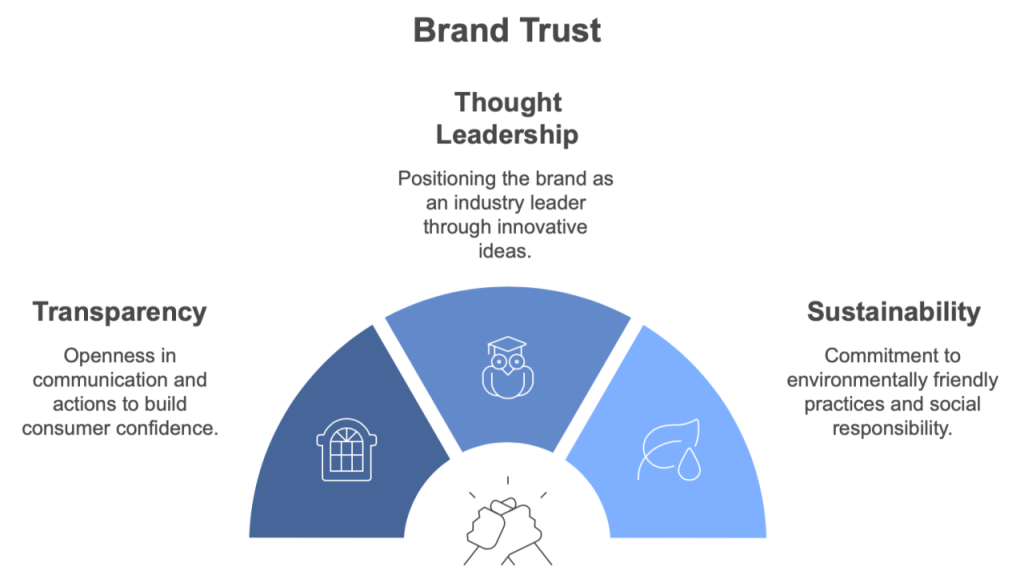
Ethical scarcity builds:
- Brand equity
- Long-term retention
- Higher AOV
- Sustainable margins
Frequently Asked Questions
Conclusion
If urgency timers don’t work Shopify stores anymore, it’s not because urgency is dead. It’s because fake urgency is exposed.
In 2026, the winners:
- Use server-side timers
- Match duration to price psychology
- Limit exposure
- Protect margins
- Prioritize trust
Real deadlines win trust.
Trust wins sales.