Most online purchases don’t fail because the product is bad. They fail because the buyer pauses & doesn’t find enough reasons to continue.
That pause happens quietly.
Right before payment. Right before sharing personal details. Right before commitment.
In that moment, shoppers look for signals that answer unspoken questions:
Is this store legitimate? Will my money be safe? What happens if something goes wrong?
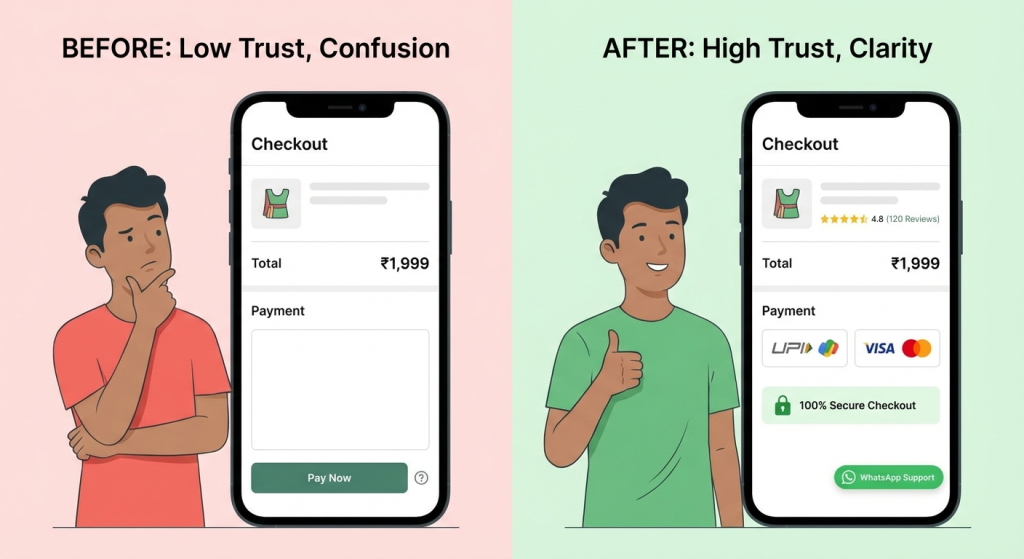
One signal rarely resolves that doubt.
A single badge, a few reviews, or a generic return line on its own doesn’t complete the picture. Trust forms when multiple cues align, each reinforcing the next.
This guide breaks down what those cues are, how they function together, and which ones matter most depending on what you sell and who you sell to — so hesitation doesn’t quietly become abandonment.
What Is a Trust Signal for Shopify Stores?
A trust signal is any badge, review, or clear info that tells shoppers your Shopify store is safe, real, and worth buying from. You’ll see them on product pages, checkouts, or footers like payment logos or star ratings.
Imagine browsing a US-based Shopify store and spotting a “Secured by Norton” badge next to Visa/UPI icons. That’s a trust signal. Shoppers think, “Okay, my money’s safe,” and add to cart.
These simple cues cut cart abandonment and boost sales, perfect for new Shopify merchants competing with big brands.
1. Security Badges and Safe Checkout
Shoppers freeze if they can’t see security before entering card or address details. Security signals calm that fear instantly on your Shopify store.
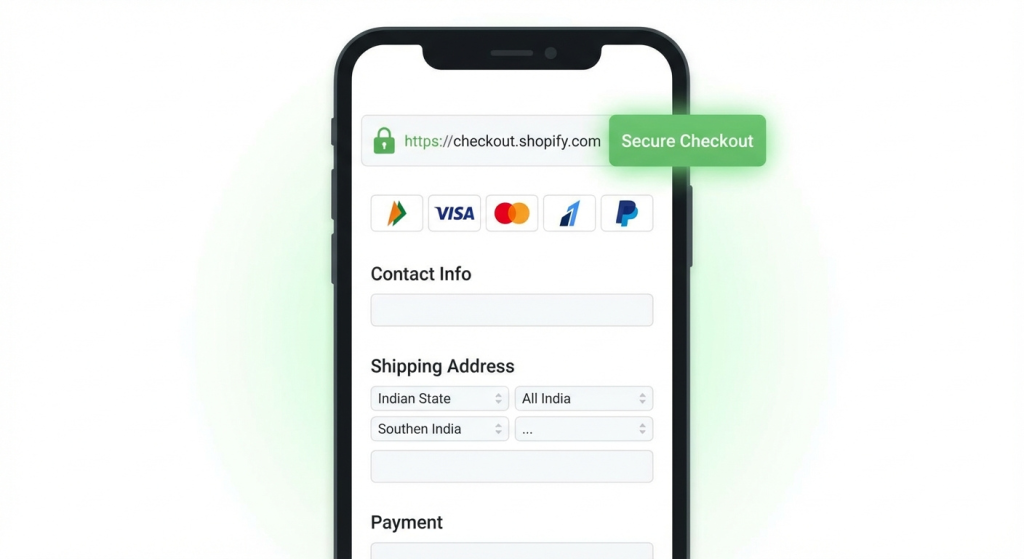
Common ones:
- HTTPS padlock. Shopify turns this on automatically – the green lock in the browser bar says “safe to shop.” Key for checkouts and logins.
- Payment logos like UPI, Razorpay, Visa, or PayPal. These familiar icons reassure buyers – place them near “Buy Now.”
- Third-party seals like McAfee or Norton. Add near checkout; they prove your site’s malware-free and lift sales by 30%.
- Privacy policy link. A short page saying “We protect your data” builds quiet trust.
On Nykaa’s Shopify setup, you see Razorpay, UPI, and a security badge right at cart.
Shoppers know payments are protected no second thoughts.
Who needs this? Every Shopify store. 80% of buyers check for these before purchase.
2. Customer Reviews and Social Proof
People trust other buyers more than your ads. Reviews show real shoppers loved your products, pushing hesitant visitors to buy.
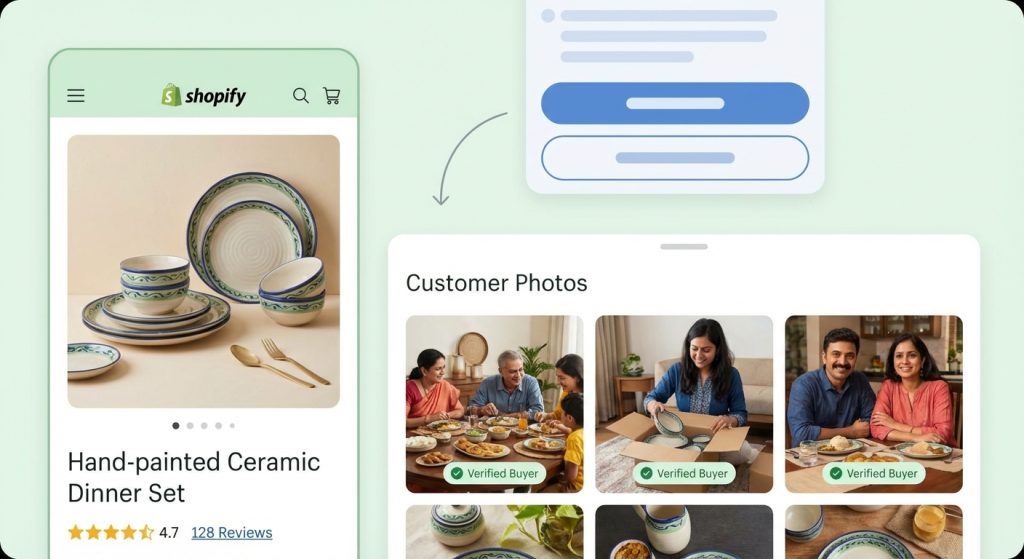
Key types:
- Star ratings with counts. Show 4.5+ stars from 50+ reviews on product pages.
- Customer photos/videos. Real snaps of products in use feel honest pull from Instagram.
- “Verified buyer” tags. Apps add this to kill fake-review doubts.
- Fresh review quotes. “Fit perfectly-fast delivery!” by the add-to-cart button.
Myntra nails it with photo reviews and 5-star pulls everywhere. Click one, see the buyer’s pic—it screams real, building instant trust.
Who needs this? All Shopify stores, especially dropshippers starting with zero sales. 90% of buyers read reviews first.
3. Clear Shipping and Returns Policies
Surprise fees or return hassles kill sales. Upfront policies prove you’re fair and customer-first.
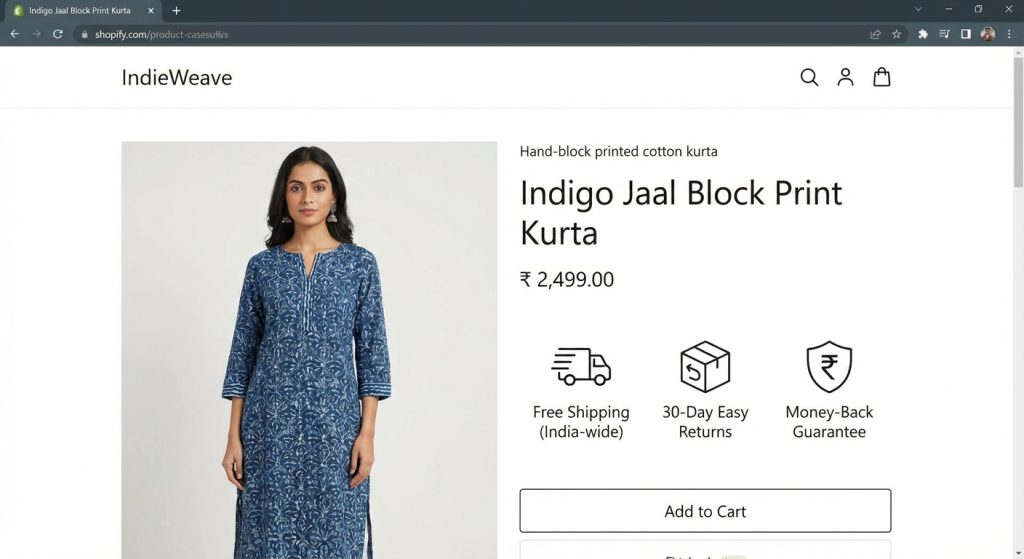
Include:
- Shipping info. “Free over ₹999, 3-5 days pan-India” with tracking links.
- Returns details. “30-day easy returns” in header – cuts drop-offs by 25%.
- Money-back promise. “Not happy? Full refund” badge eases risks.
- Size charts. For clothes, simple tables stop “wrong fit” complaints.
Boat’s site lists “7-day replacement” and free shipping upfront. Shoppers know the deal-no checkout surprises.
Who needs this? Fashion, electronics, or any store with delivery worries. Vital for India shoppers loving COD/UPI.
4. Easy Contact and Support
Hidden contacts yell “scam.” Make reaching you simple to prove you’re a real business with people behind it.
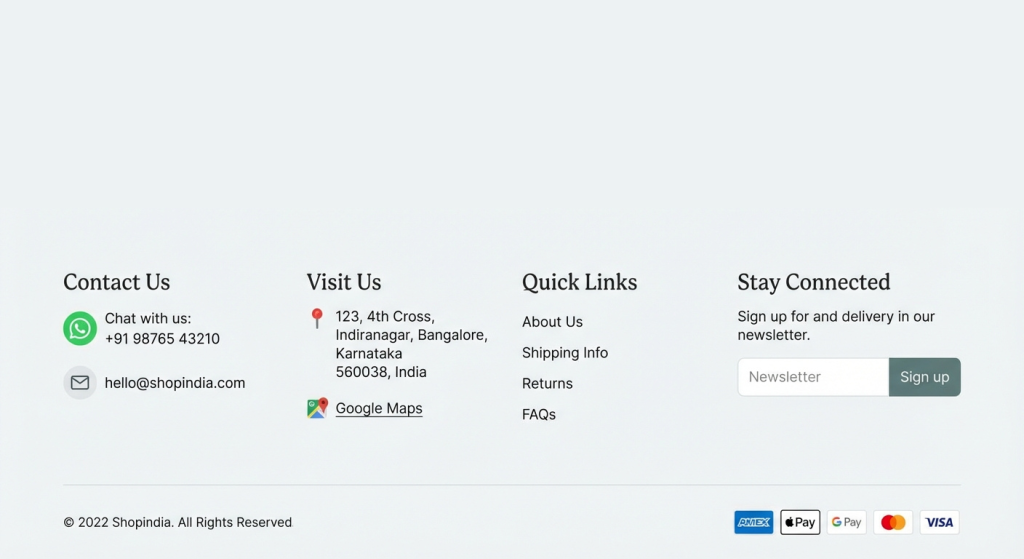
Ways to add:
- WhatsApp/phone. “+1-XXXXXXXX | Reply in 1 hour” in footer.
- Live chat. Free Shopify apps connect visitors to you live.
- Real address. “Ontario, Canada” with a Google Maps pin.
- FAQ page. Quick fixes for “track my order?” questions.
Zepto’s store pops a chat bubble, lists phone, and shows HQ address. Feels like a trusted local shop.
Who needs this? New stores and service sellers. 70% prefer easy-contact brands.
5. Clean Design and Your Brand Story
Sloppy sites signal cheap products. Pro design plus your story makes you feel established.
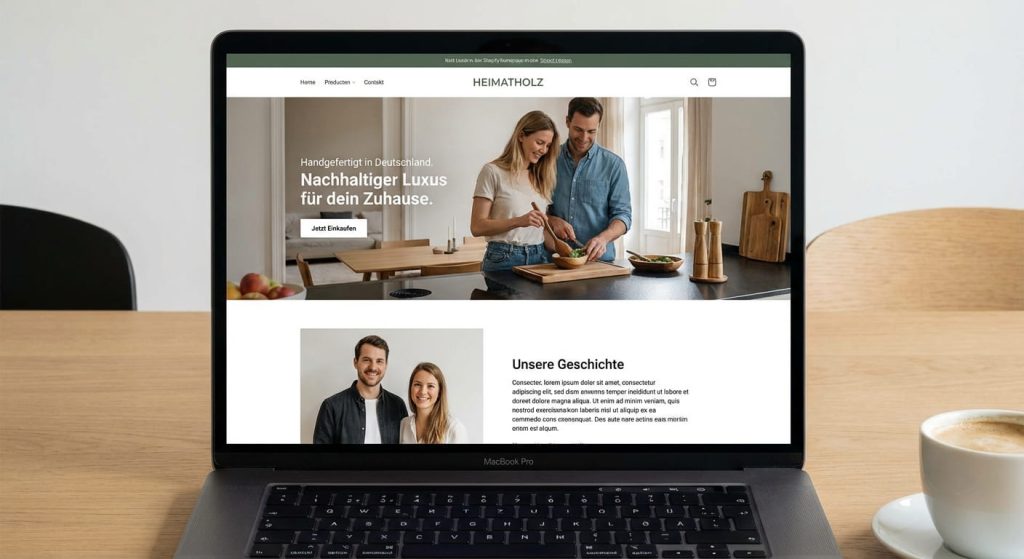
Add these:
- Fast pages. Use Dawn theme-load under 2 seconds.
- About Us page. “Kochi founders bringing quality gear” with team photos.
- Sharp product pics. Lifestyle shots or 360 views sell desire.
- Press mentions. “Featured on Inc42” if you have them.
Mamaearth’s About shares founder story, team pics, and clean design. Paired together, it builds “premium and real” vibes.
Who needs this? Startups fighting “unknown store” fears. Mobile speed is huge for Indian traffic.
Which to Add First on Your Shopify Store
Use all five for best results, but start here by store type:
New dropshipping: Security + reviews + policies (fixes most cart killers).
Fashion/home: Policies + photos + size guides.
India-focused: UPI badges + WhatsApp + fast shipping notes.
High-price items: Guarantees + story + live chat.